
Introduction
One of the easiest ways to Monthly Budget your personal finances is through a monthly budget. Helps you to know where your money is going, how much you can save and how much money goes in. It can be easy to “run out of money” if you do not budget your expenses, as you may spend too much money on small items at the end of the month.
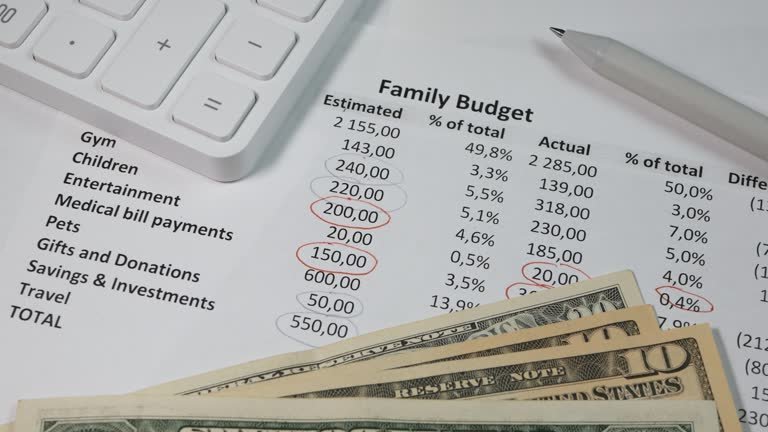
It is not a good budget if you cut out all expenses that you like. Rather, it provides your cash purpose and assists you in making good monetary options. Regardless of your earnings, it is important to have a realistic monthly budget, so you can manage your spending, pay down debt, and get closer to your financial goals.
Make up Your Monthly Income.
The first step to making a Monthly Budget is to find out how much money you have to spend on a monthly basis. State your normal salary and other steady earnings. If you have a fluctuating income, take a conservative estimate of your average income.
Strategically consider your net income after tax and other deductions. With take home pay you will have a better idea how much you can pay and save.
Those who have freelance or irregular income should not expect that they will always be able to make the most. Creating a budget with the lowest realistic figure can keep you from experiencing financial issues during leaner months.
List All Your Monthly Expenses
Once you’ve worked out your income, list all your expenses. Add in regular expenses like rent, mortgage, loan payments, insurance, and regular subscriptions.
Next, write down the variable costs like food, transportation, electric bill, clothes, entertainment and personal spending. It’s always a bad idea to ignore small costs as they can mount up for the month.
Check out your bank statements and payment records as needed. Reviewing the facts of your spending helps you develop a real rather than a guess budget.
Divide into Needs and Wants
A key budgeting strategy is to differentiate between needs and wants. The difference between needs and wants is that a need is an expense that is essential to basic living, while a want is a purchase that is not essential but makes one more comfortable or entertained.
Housing, basic food and utilities plus required transportation are typically needs. A restaurant meal, unnecessary entertainment, too much shopping, and upmarket subscription service could be considered a want.
This is not to say that you should stop having all the needs. Rather, the distinction enables you to make a choice of what you can cut back on whenever your spending plan is tight.
Establish and communicate clear financial objectives.
A budget is more useful if you have specific financial goals. This may be to save for your emergency fund, debt repayment, a large purchase or future investments.
Set specific and achievable goals. If you just want to save more money, you should determine how much you want to save each month.
It can be easier to control unneeded spending and stick to a Monthly Budget when you have a definite purpose for saving.
Create Spending Limits
Establish a Monthly Budget limit per itemized expenditure. Prioritize your needs and then dedicate funds to savings, debt repayment, essential living costs, transportation, and personal costs.
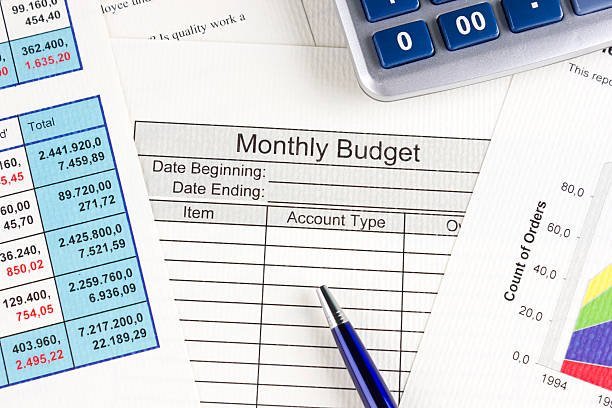
Don’t set limits that are so high that they are impossible to meet. Make sure there is a cushion in the budget for unplanned expenses and some fun.
Some categories are also available in weekly limits. This will help you keep track of your spending during the month and avoid spending more than you budgeted.
Make Saving a habit: Make saving a part of your budget.
Don’t save money as ‘spare money’ that you will save if there is anything left over at the end of the month. Include savings as a regular part of your Monthly Budget.
Allocate a regular sum when you get your income. A little at a time makes a big difference when it comes to creating an emergency fund or a financial goal. When your income goes up, try to save more rather than spending more.
Prepare For Unusual Expenses
Not all of the costs are monthly costs. Other occasional expenses, such as school fees, repairs, annual insurance payments, holidays and gifts can derail a good budget.
List all the expenses this year and the estimates of costs. You can then save a little bit of money each month to save for them.
When an unexpected large expense comes up, planning ahead can help to lessen the reliance on credit cards and loans.
Reduce Unnecessary Spending
After you have developed your budget, you should review and identify areas in which you can cut back. Know how to cancel an unneeded subscription, review and compare subscription plans, minimize needless takeout and avoid impulse shopping.
No drastic changes are necessary
When considering a non-essential purchase, ask yourself if it can fit into your budget, and if it is a purchase that should be postponed to support another financial goal.
Check Your Budget Monthly
Your budget must not always be the same. Income and household spending, prices and financial objectives are subject to change.
After every month, review your budget and what you’ve actually spent. Find categories in which you spent more than you should, and what led you to spend more than that.
If they are always falling short in one of the categories, change the amount rather than the illogical amount. The whole point of budgeting is to be able to run your finances better, you shouldn’t feel guilty for it.
Use a Simple Budgeting System
There’s no need to use a complex financial application to make a good budget. It can be as simple as a sheet of notebook paper, a spreadsheet or a simple budgeting tool.
Select a system that you are going to use. Track income, fixed costs, variable costs, saving and debt repayments. Having everything organised will make it easy for you to visualize your finances.
Final Thoughts
The first step to a more effective monthly budget is to know your income and your expenses. Monitor expenses, differentiate between essentials and non-essentials, fix financial goals and stick to a budget.