
Manage money can become more challenging when prices are rising. Everyday expenses such as food, transportation, housing, utilities, and healthcare can take up a larger share of your income. In Argentina, where inflation and changes in prices can make household budgeting particularly difficult, having a flexible financial plan is important.
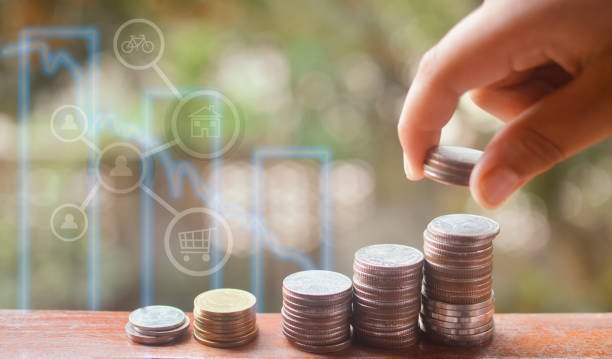
Rising prices do not mean you have no control over your finances. By tracking spending, prioritizing essential expenses, reducing unnecessary costs, and protecting your savings, you can make your money work more effectively. The following strategies can help you manage your finances during periods of rising prices.
Understand Where Your Money Goes
The first step is to understand your current financial situation. Review your monthly income and record your regular expenses.
Divide spending into categories such as housing, groceries, transportation, utilities, healthcare, debt payments, entertainment, and other purchases. This can show you which expenses are essential and where you may have room to make changes.
When prices are rising, reviewing your budget regularly is especially useful. A budget created several months ago may no longer reflect your current costs.
Prioritize Essential Expenses
When your household budget becomes tighter, prioritize expenses that are necessary for daily life. Housing, food, utilities, transportation, healthcare, and debt payments should generally receive priority.
After covering essential expenses, consider how much remains for savings and discretionary spending.
This approach can help prevent unnecessary purchases from Manage Money away from important financial obligations.
Track Grocery Spending
Food can represent a significant part of a household budget, particularly when prices are changing frequently. Compare prices between stores and pay attention to the cost per unit rather than simply choosing the cheapest-looking package.
Planning meals before shopping can also reduce food waste and impulse purchases. Buying commonly used non-perishable items when prices are reasonable may help manage future expenses, provided you can afford to do so without creating financial strain.
Avoid buying large quantities simply because something is discounted if you are unlikely to use it.
Compare Prices Regularly
When prices change quickly, loyalty to a particular store or brand can become expensive. Compare prices for frequently purchased products and services.
You may find that different supermarkets, pharmacies, service providers, or retailers offer better prices for the same or similar products.
However, remember to consider quality, transportation costs, and convenience. The cheapest advertised price is not always the lowest overall cost.
Review Subscriptions and Recurring Bills
Recurring expenses can quietly consume a significant part of your income. Review subscriptions for streaming services, apps, memberships, phone plans, internet services, and other recurring charges.
Cancel services you rarely use and compare available plans when contracts or promotional periods end.
Even small monthly reductions can add up over a year and provide additional Manage Money for essential expenses or savings.
Be Careful With Credit
When prices rise, it can be tempting to rely on credit cards or loans to cover everyday expenses. While credit can provide short-term flexibility, borrowing can become expensive if balances are carried for long periods.
Before using credit, consider whether you can comfortably repay the balance. Pay attention to interest rates, fees, repayment terms, and the total cost of borrowing.
Avoid using new debt to maintain spending habits that are no longer affordable.
Build an Emergency Fund
An emergency fund can provide important protection when prices are rising. Unexpected expenses can become harder to manage when your regular budget is already under pressure.
Start with a small target if necessary. Gradually work toward having enough Manage Money to cover several months of essential expenses.
Keep emergency savings in an appropriate, accessible place rather than putting all of it into investments that could fluctuate significantly when you need the Manage Money.
Protect the Value of Long-Term Savings
During periods of high inflation, holding all long-term savings as idle cash may expose your Manage Money to declining purchasing power.
Depending on your financial goals, risk tolerance, and time horizon, you may consider suitable savings or investment products that have the potential to preserve or grow your Manage Money over time.
However, every investment carries some level of risk. Do not invest emergency savings or Manage Money you need in the short term without understanding the potential for losses.
Consider Your Currency Needs
Currency management can be an important consideration for people living in Argentina. Think about the currency in which you will actually need your money.
For example, Manage Money intended for local expenses may have different requirements from savings intended for international travel, education, or another future expense involving foreign currency.
If you consider holding foreign currency or foreign-currency investments, understand exchange-rate risks, transaction costs, taxes, and applicable regulations before making a decision.
Increase Your Income Where Possible
Cutting expenses is only one way to improve your finances. Increasing income can provide additional flexibility when prices rise.
Depending on your skills and circumstances, you might consider freelance work, consulting, selling unused belongings, taking on additional work, or developing skills that could improve your earning potential.
If you receive additional income, consider dividing it between essential expenses, debt repayment, emergency savings, and long-term financial goals.
Manage Debt Carefully
Rising prices can make existing debt harder to manage because more of your income may be needed for everyday expenses.
Make a list of your debts and understand their interest rates, balances, and payment schedules. Prioritize required payments and consider focusing additional Manage Money on expensive debt when your budget allows.
Avoid taking on unnecessary new debt simply to cover routine spending.
Plan Purchases in Advance
Impulse purchases can become particularly costly when your budget is under pressure. Before making a significant purchase, compare prices, check whether you genuinely need the item, and consider waiting before buying.
For major expenses, create a separate savings goal instead of relying entirely on credit.
Planning ahead can give you more time to compare options and find a price that fits your budget.
Review Your Budget Frequently
A monthly budget may not be enough when prices are changing quickly. Consider reviewing your spending every few weeks or whenever you notice a significant change in essential costs.
Adjust categories as needed. If your grocery bill increases, for example, look for savings elsewhere rather than allowing your total spending to rise automatically.
A flexible budget is more useful than a strict plan that no longer reflects reality.
Set Short-Term and Long-Term Goals
Financial goals can help you stay focused during periods of Manage Money uncertainty. Start by setting short-term targets, such as reducing a credit card balance or building an emergency fund.
Then consider longer-term goals such as saving for education, a home, retirement, or another major expense.
Break large goals into smaller monthly targets. Progress may be slower during periods of rising prices, but consistent saving can still move you forward.
Avoid Panic Financial Decisions
Economic uncertainty can create pressure to make sudden financial decisions. Avoid making major investments, selling assets, or taking on debt purely because of fear or short-term news.
Instead, review your financial goals, risk tolerance, and time horizon. If you are unsure about a complex financial decision, consider consulting a qualified financial professional.
Final Thoughts
Managing money during rising prices in Argentina requires flexibility, awareness, and careful planning. Start by tracking your spending, prioritizing essential expenses, comparing prices, and reviewing recurring costs.
At the same time, protect your emergency savings, manage debt carefully, and look for realistic ways to increase your income. Long-term savings should be considered separately from Manage Money needed for immediate expenses.

You cannot control the price of everything, but you can control how you respond to changing costs. A regularly updated budget and disciplined financial habits can help you navigate rising prices while continuing to work toward greater financial stability.
FAQs
1. How can I save money when prices keep rising?
Track your expenses, prioritize essential purchases, reduce unnecessary costs, and save consistently whenever your budget allows.
2. Should I keep all my savings in cash?
Not necessarily. Consider your goals, time horizon, inflation risk, and access needs before deciding how to hold your savings.
3. How often should I update my budget?
Review your budget at least monthly and more frequently when essential prices or your income change significantly.
4. Should I use credit cards when prices increase?
Use credit carefully and understand the interest and fees. Avoid relying on expensive debt for routine expenses whenever possible.
5. Is investing useful during inflation?
Some investments may help protect long-term purchasing power, but investments carry risks. Choose options based on your goals and risk tolerance. :::