
Buying shares can be a useful way to start investing and potentially grow your money over the long term. When you buy a share, you are purchasing a small ownership stake in a company. If the company performs well, the value of your Buying Shares may increase, and some companies also pay dividends to shareholders.

For beginners in the UK, getting started may seem complicated because there are many companies, investment platforms, account types, and investment choices available. However, the basic process is quite straightforward once you understand the key steps. This guide explains how beginners can buy shares in the UK, what to consider before investing, and how to manage investments responsibly.
Understand What Shares Are
Shares represent ownership in a company. When you Buying Shares in a publicly traded business, you become a shareholder. The price of a share changes according to factors such as company performance, economic conditions, investor demand, interest rates, and market sentiment.
For example, if you Buying Shares of a company and its share price rises, the value of your investment may increase. However, share prices can also fall, meaning you could lose some or all of the money invested.
Shares are generally considered a long-term investment rather than a quick way to make money. Beginners should understand that market prices can move up and down regularly.
Decide How Much You Can Invest
Before buying shares, decide how much money you can comfortably invest. It is usually better to invest money that you will not need for everyday expenses or immediate financial commitments.
A beginner does not need a large amount of money to start. Some investment platforms allow people to buy fractional Buying Shares or make relatively small investments. This can make investing more accessible.
You should also consider keeping an emergency fund separately. Having savings available for unexpected expenses can prevent you from being forced to sell investments when share prices are low.
Choose an Investment Account
UK investors can choose from different types of investment accounts. One popular option is a Stocks and Buying Shares ISA, which allows eligible investors to hold investments within an ISA and benefit from tax advantages under UK rules.
A general investment account is another option. It may provide access to a wide range of Buying Shares and funds, but the tax treatment can differ from an ISA.
Pensions can also be used for long-term investing, although they have different rules regarding contributions and withdrawals. Beginners should understand the purpose and restrictions of an account before choosing one.
Select a Reputable Investment Platform
After deciding which type of account suits you, you need to choose an investment platform or stockbroker. Look for a provider that is properly authorised and regulated for the services it offers.
Compare important features such as trading fees, account charges, foreign exchange fees, available investments, customer support, and the minimum amount required to invest.
A platform with low fees can be useful because investment costs can reduce returns over time. However, fees should not be the only factor. Reliability, security, ease of use, and investment choices are also important.
Research Companies Before Buying Shares
One of the most important steps is researching a company before investing in it. Avoid buying a share simply because its price has recently increased or because someone online recommended it.
Look at the company’s revenue, profits, debt, business model, competitive position, and future growth opportunities. You can also review its financial reports and understand what products or services it provides.
Consider whether the company’s business has a reasonable chance of remaining successful over the long term. Strong historical performance does not guarantee future returns, but researching a company can help you make a more informed decision.
Consider Buying Different Types of Shares
Beginners should understand that different companies can have very different levels of risk. Technology companies, banks, energy businesses, retailers, and pharmaceutical companies may respond differently to economic conditions.
Instead of putting all your money into one company, you can consider spreading investments across different businesses and industries. This approach is known as diversification.
Diversification does not remove investment risk, but it can reduce the impact of poor performance from a single company on your overall portfolio.
Think About Index Funds and ETFs
Buying individual shares is not the only way to invest in the stock market. Beginners may also consider funds and exchange-traded funds, commonly known as ETFs.
An ETF can hold a collection of Buying Shares or other investments. Instead of selecting individual companies, an investor can purchase one fund that provides exposure to multiple businesses.
For someone who does not have the time or confidence to research individual companies, diversified funds can be a simpler approach. However, funds still carry investment risk, and their value can fall.
Place Your First Share Order
Once your account is set up and you have selected an investment, you can place an order through your chosen platform.

A market order generally instructs the platform to buy shares at the best available price. A limit order allows you to specify the maximum price you are willing to pay.
Beginners should understand the type of order they are placing before confirming a transaction. Review the number of shares, price, fees, and total amount before completing the purchase.
Understand Dividends
Some UK companies pay dividends to shareholders. A dividend is a payment that a company may make from its profits to eligible shareholders.
Dividend-paying Buying Shares can provide an additional source of investment income. However, dividends are not guaranteed. Companies can reduce, suspend, or completely stop dividend payments depending on their financial situation.
Beginners should therefore avoid choosing a company solely because it has a high dividend yield. A very high yield can sometimes indicate that the market expects difficulties ahead.
Learn About Investment Risk
Every investment in shares carries risk. Even established companies can experience falling share prices because of economic problems, poor business results, changes in regulations, competition, or unexpected events.
The stock market can also experience periods of significant volatility. It is normal for prices to rise and fall.
Before investing, consider how much loss you could financially and emotionally tolerate. Your investment choices should match your personal financial situation and investment timeframe.
Avoid Trying to Time the Market
Many beginners try to predict the perfect time to Buying Shares. In reality, consistently predicting short-term market movements is extremely difficult.
Instead of waiting for the perfect moment, some investors choose to invest regularly over a long period. Regular investing can help spread purchases across different market conditions.
The most suitable approach depends on your financial goals, risk tolerance, and circumstances. A long-term mindset can also help investors avoid making emotional decisions during temporary market declines.
Keep Investment Costs Under Control
Investment fees may appear small, but they can have a meaningful effect on long-term returns. Depending on the platform and investment, you may encounter trading fees, account fees, fund charges, currency conversion costs, or other expenses.
Before investing, check exactly what you will be charged. Comparing platforms can help you find a cost structure that suits your investment habits.
However, the cheapest option is not automatically the best. Consider the overall service, investment selection, security, and reliability as well.
Review Your Portfolio Regularly
After buying shares, you do not necessarily need to check your portfolio every hour or every day. Constantly watching prices can encourage emotional decisions.
Instead, review your investments periodically and consider whether they still match your goals. If a company’s financial situation or long-term prospects change significantly, you may need to reconsider your investment.
Regular portfolio reviews can also help you maintain appropriate diversification and avoid allowing one investment to become too large a part of your portfolio.
Think Long Term
Investing in shares is generally more suitable for people who can leave their money invested for several years. Short-term market movements can be unpredictable, while long-term investing gives businesses more time to grow and recover from temporary downturns.
Your investment timeframe should match your financial goals. Money needed for an upcoming expense may be better kept in an appropriate savings product rather than exposed to stock market fluctuations.
Common Mistakes UK Beginners Should Avoid
New investors often make mistakes such as investing without research, following social media tips, putting all their money into one company, trading too frequently, or selling during a temporary market decline.
Another common mistake is investing money that is needed for essential expenses. Beginners should also be cautious about promises of guaranteed high returns because legitimate investments always involve some level of risk.
Learning the basics and developing a clear investment plan can help reduce these mistakes.
Final Thoughts
Buying shares in the UK does not have to be complicated. Beginners can start by understanding how shares work, deciding how much they can afford to invest, choosing an appropriate account and platform, researching investments, and building a diversified portfolio.
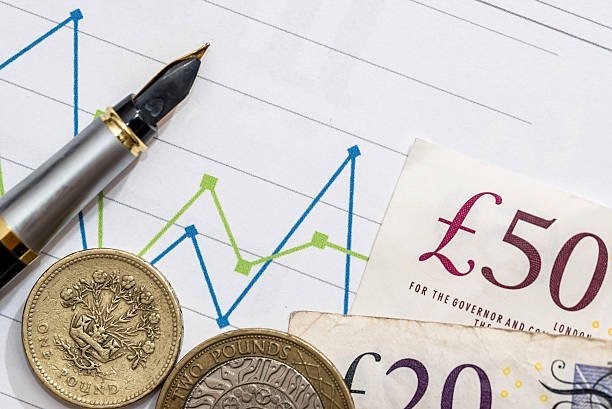
The most important principle is to invest with a long-term perspective rather than chasing quick profits. Take time to understand the risks, keep costs under control, and review your investments as your financial goals change. With patience, research, and disciplined money management, investing in shares can become an important part of a long-term financial strategy.
FAQs
1. How much money do I need to start buying shares in the UK?
There is no single minimum amount for every investor. Some platforms allow relatively small investments, while others may have different minimum requirements. Beginners can start with an amount they can comfortably afford.
2. Are shares a good investment for beginners?
Shares can be suitable for beginners who understand the risks and have a long-term investment timeframe. However, share prices can fall, so investors should never assume that returns are guaranteed.
3. Can I buy shares through a Stocks and Shares ISA?
Yes, eligible UK investors can generally hold qualifying investments such as shares and funds within a Stocks and Shares ISA, subject to current ISA rules and allowances.
4. Should beginners buy individual shares or funds?
It depends on the investor. Individual shares require more research and can carry greater company-specific risk, while diversified funds can provide exposure to multiple investments through a single purchase.
5. How often should I check my shares?
There is usually no need to check investments constantly. Reviewing your portfolio periodically can help you stay focused on your long-term goals and avoid emotional decisions based on short-term price movements.