
Establishing an emergency fund is one of the best ways to take advantage of financial stability. Whether you are residing in Mexico as a permanent citizen, enjoying a temporary visa, or preparing for a move to Mexico, it’s essential to have some money saved up for emergencies.
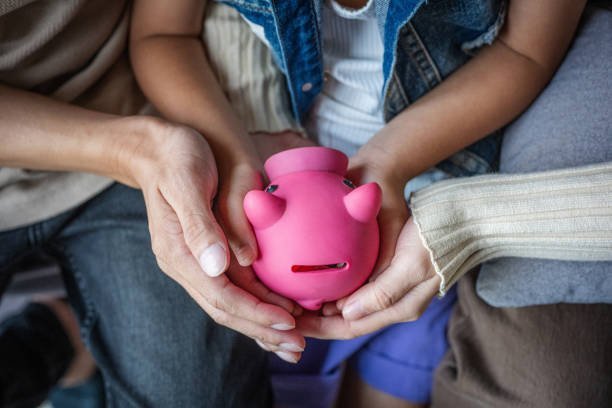
An emergency fund can be used for any of these reasons or other unforeseen events such as medical expenses, losing a job, emergency home repairs, and traveling out of the country. Fortunately, you don’t have to be rich to get started. It’s possible to create an emergency fund from a good plan and regular savings.
What is an Emergency Fund?
An emergency fund is money that is set aside for unforeseen and essential costs. It is not like saving up for a holiday, new phone, car, etc.This is not saving for a vacation, new phone, car, etc.
The idea is to provide you with a reserve of funds in case you get caught off-guard. An emergency fund, for instance, can be used to cover the expenses of rent, groceries, utilities, and transportation until a new job is secured if a person suddenly loses their job.
Separate this money from your routine spending and it will be easier to avoid using it for non-essentials.
How much money do you need to save?
The sum of the emergency fund will depend on each person’s needs. One of the typical long-term savings objectives is to save in the vicinity of three to 6 months of essential living costs.
Some of the most basic costs for a Mexican citizen may be rent or mortgage payments, food, utilities, transportation, insurance, medical costs and minimum loan repayments.
Three to six months is too much if that is not possible right now, then try a smaller amount. Determine your essential expenses.
To determine what you can save, figure out your normal monthly costs.
Make a list of costs such as:
- Housing
- Food and groceries
- Electricity, water and gas
- Transportation
- Healthcare and insurance
- Phone and internet
- Minimum debt payments
- Other crucial expenses associated with your home
When determining your essential emergency expenses, don’t factor in frivolous expenses. Knowing your essential monthly expenses will help you determine how much you need to save.
Choose a monthly goal that is small.
One of the biggest errors people can make is to save for an unrealistic amount and then giving up when it proves difficult to save it.
Rather, pick an amount that is within your financial means. Saving, whether it is MXN 500 or MXN 1,000 per month, can help you develop the habit of saving.
If your income fluctuates from month to month, you might want to save a certain percent of your income instead of a set dollar amount. For instance, you may have it automatically save 5% or 10% of your income.
It’s better to start small and be consistent than to start big.
A budget will help you see where your money is being spent and provide you with ideas for saving more.
The first step is to list your income and expenses for the month. Next, divide your spending into the categories of necessary, discretionary, debt and savings.

Seek out cost savings that won’t make your life more complicated. Consider cutting back on things such as restaurant dining, unused magazine and newspaper subscriptions, impulse buys, or other non-essentials and instead put the money into an emergency savings account.
Little tweaks can make a big difference.
Automate Your Savings
Saving money can be easier with automation as you don’t have to keep in mind to transfer money each month.
When you get paid or any other income, move the money from the main account to a savings account right away.
Treat transfer as a needed monthly expense. This strategy will help you save money before you could spend it elsewhere.
Keep Your Emergency Fund Accessible
Typically, an emergency fund should be stored in a secure, less cumbersome location. The purpose isn’t to get the biggest return on your investment, it’s to have money available when you would need it.
A savings account or other investment that is low-risk, liquid and separate from the other investments held by the individual may be a good choice for many people in Mexico. Find out what fees, protection, interest, etc. apply before selecting an account.
Don’t invest all of your emergency fund in a volatile investment that can drop in value when you need the money.
Putting together a Fund in Stages.
It’s not necessary to achieve your final objective right away. Saving your emergency fund in increments can make it easier to feel like you’re on the right track.
Begin with a small sum that may be able to cover a smaller, unforeseen expense. Then, think about saving for one month of basic living costs.Then, remember to save for basic living costs for 1 month. After all, strive to get up to 3 to 6 months of work, based on your individual situation.
Don’t spend your extra income frivolously
Any income that comes out of the blue can be a great chance to add to your emergency savings.
Other income that comes in – such as a bonus, tax refund, freelance income, gift, etc. – should be saved in the emergency fund if possible.
It’s not imperative to save each additional peso. It can be easier to maintain the habit because you can find a balance between enjoying some of your money while helping to enhance your financial safety net.
Final Thoughts
When you’re starting to build an emergency fund in Mexico, it’s possible to get it right if you aim to make steady progress rather than go for perfection. Set a realistic goal and monitor your necessary costs, automate your regular savings, and ensure the money is available for true emergencies.

Even if you have a bit of extra cash, things are easier to handle if they come as a surprise. As your income and savings increase, raise your goal until you have a savings account that offers some financial security.