
Reducing monthly expenses is an effective way to improve your financial situation without necessarily earning more money. When everyday costs such as groceries, transportation, utilities, subscriptions, and household bills take up a large part of your income, it can become difficult to save or pay off debt. The good news is that you can often find several areas where spending can be reduced without making major changes to your lifestyle.
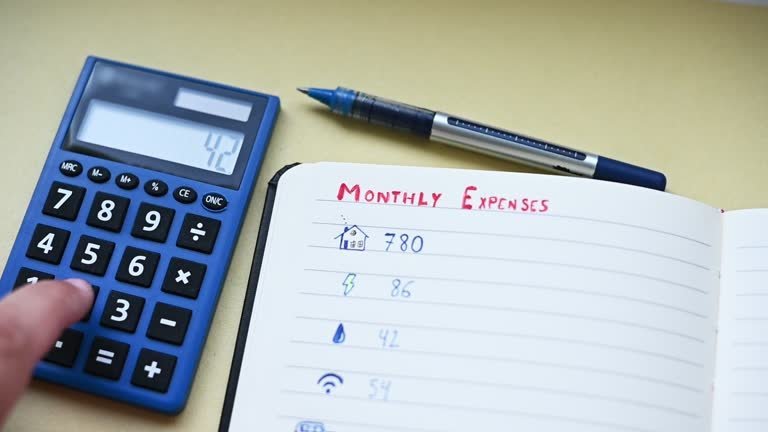
The first step is to understand exactly where your money goes. Once you identify unnecessary spending and expensive habits, you can make a practical plan to control your Monthly Expenses . A realistic budget, careful shopping, lower household costs, and regular financial reviews can help you keep more of your income each month.
Track Your Spending and Identify Unnecessary Costs
Before making changes, track every expense for at least one month. Include major payments such as rent, mortgage, utilities, groceries, transportation, insurance, and loan repayments. Also record smaller purchases such as snacks, coffee, takeaway meals, online shopping, and entertainment.
Small expenses can easily become a large monthly cost when they occur frequently. Once you have a complete record, divide your spending into essential and non-essential categories. Essential expenses are costs you need for basic living, while non-essential Monthly Expenses are purchases you could reduce or eliminate.
Look for recurring expenses that provide little value. For example, you may have subscriptions or memberships that you rarely use. Canceling unnecessary services can immediately lower your monthly expenses.
Food is another area where many people can save. Eating out or ordering takeaway regularly can become expensive. Preparing meals at home, planning weekly menus, and using a grocery list can help control food spending.
Avoid shopping without a plan. Before buying something that is not essential, give yourself some time to decide whether you really need it. A short waiting period can prevent many impulse purchases.
Create a Realistic Monthly Budget
After tracking your spending, create a monthly budget based on your actual income. Start by calculating your total income and listing your essential expenses. Then decide how much you can reasonably allocate to savings, debt repayment, groceries, transportation, and personal spending.
Avoid creating an extremely strict budget that leaves no room for occasional enjoyment. A realistic plan is easier to follow for the long term. You can set specific limits for flexible Monthly Expenses such as entertainment, clothing, eating out, and shopping.
Consider dividing some monthly spending limits into weekly amounts. This makes it easier to monitor your progress and prevents you from spending too much during the first part of the month.
Savings should also be included in your budget. Instead of waiting to see what remains at the end of the month, set aside a fixed amount when you receive your income. Even a small amount saved consistently can gradually build an emergency fund.
If you have loans or other debt, include all required payments in your budget. Avoid taking on unnecessary new debt and try to prioritize high-interest debt when possible. Reducing expensive debt can eventually free up more money for savings.
Review your budget at the end of each month. Compare your planned spending with your actual expenses. If you spent too much in one category, identify the reason and adjust your plan for the following month.
Reduce Regular Household Expenses
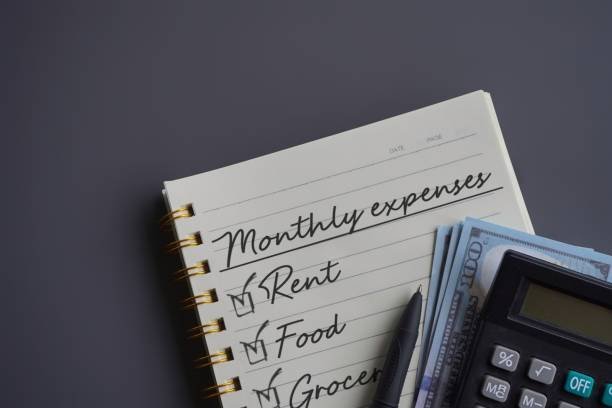
Regular household Monthly Expenses can offer significant opportunities for savings. Start by reviewing electricity, water, internet, mobile phone, transportation, and grocery costs.
Reduce unnecessary energy use by switching off lights and appliances when they are not needed. Use heating and cooling systems efficiently and avoid leaving electrical equipment running unnecessarily. Small reductions in energy consumption can add up over time.
You can also control water expenses by fixing leaks and avoiding unnecessary water use. Simple changes in daily habits can help reduce household bills.
Transportation costs are another area to consider. Combine errands into fewer trips, use public transportation when practical, share rides, or walk when destinations are nearby. Reducing unnecessary journeys can lower fuel and maintenance costs.
Review your phone and internet plans regularly. You may be paying for more data or services than you actually need. Comparing available plans can help you find a cheaper option that still provides the features you use.
Grocery costs can also be controlled through better planning. Compare prices, choose affordable alternatives, and avoid wasting food. Buying in larger quantities can be useful for products you regularly consume, but avoid bulk purchases if the items may expire before you use them.
Maintaining household items can also reduce expenses. Taking care of appliances, furniture, clothing, and other possessions can extend their useful life and reduce the need for frequent replacements.
The money saved from these changes can be directed toward an emergency fund, debt repayment, or another financial goal. You do not need to eliminate everything enjoyable from your life. Focus instead on reducing spending that provides little value.
Final Thoughts
Reducing monthly expenses is not about making your life uncomfortable. It is about making better decisions with the money you already have. Tracking your spending, creating a realistic budget, reducing unnecessary purchases, and controlling household costs can gradually improve your financial position.
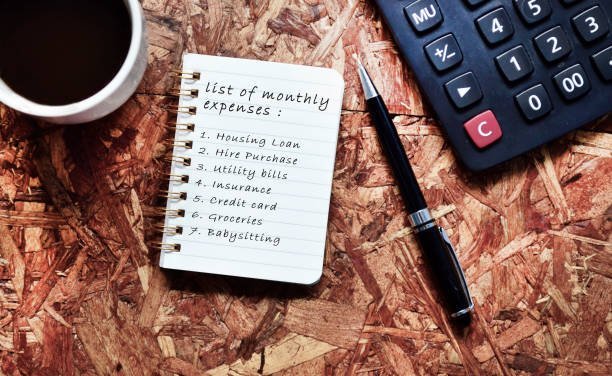
The most important part is consistency. Even small savings can become significant when you continue them month after month. Review your budget regularly, adjust your spending habits when necessary, and use the money you save to strengthen your overall financial security.
FAQs
1. What is the easiest way to reduce monthly expenses?
Start by tracking your spending and identifying unnecessary recurring expenses. Cancel unused subscriptions, reduce impulse purchases, and review household bills.
2. How can I reduce grocery expenses?
Plan your meals, create a shopping list, compare prices, choose affordable alternatives, and avoid wasting food.
3. Should I completely stop spending on entertainment?
No. Instead, set a reasonable monthly limit for entertainment and other non-essential activities. A balanced budget is easier to maintain.
4. What should I do with the money I save?
Consider using your savings to build an emergency fund, pay down high-interest debt, or work toward another important financial goal.